
Finding Mindfulness Through Sewing
There is something about reaching a point where thinking and talking are no longer enough. For me, that moment came during my last semester of graduate school, as I was wrapping up my internship at a psychiatric hospital. I realized I needed a different kind of outlet, and it was then that I began sewing, almost intuitively, as a way to slow down.
At the time, I only had the basic skills I had kept from high school home economics classes, where my projects were mostly limited to pillows. Nothing elaborate, just enough to follow instructions and keep my hands busy.
Toward the end of my graduate counseling program, I noticed that the only way I could truly ground myself after a long day of therapy was to engage a different part of my brain. I needed something that did not rely on words or analysis. I asked for a sewing machine for that Christmas and found a few free quilt patterns to get started.
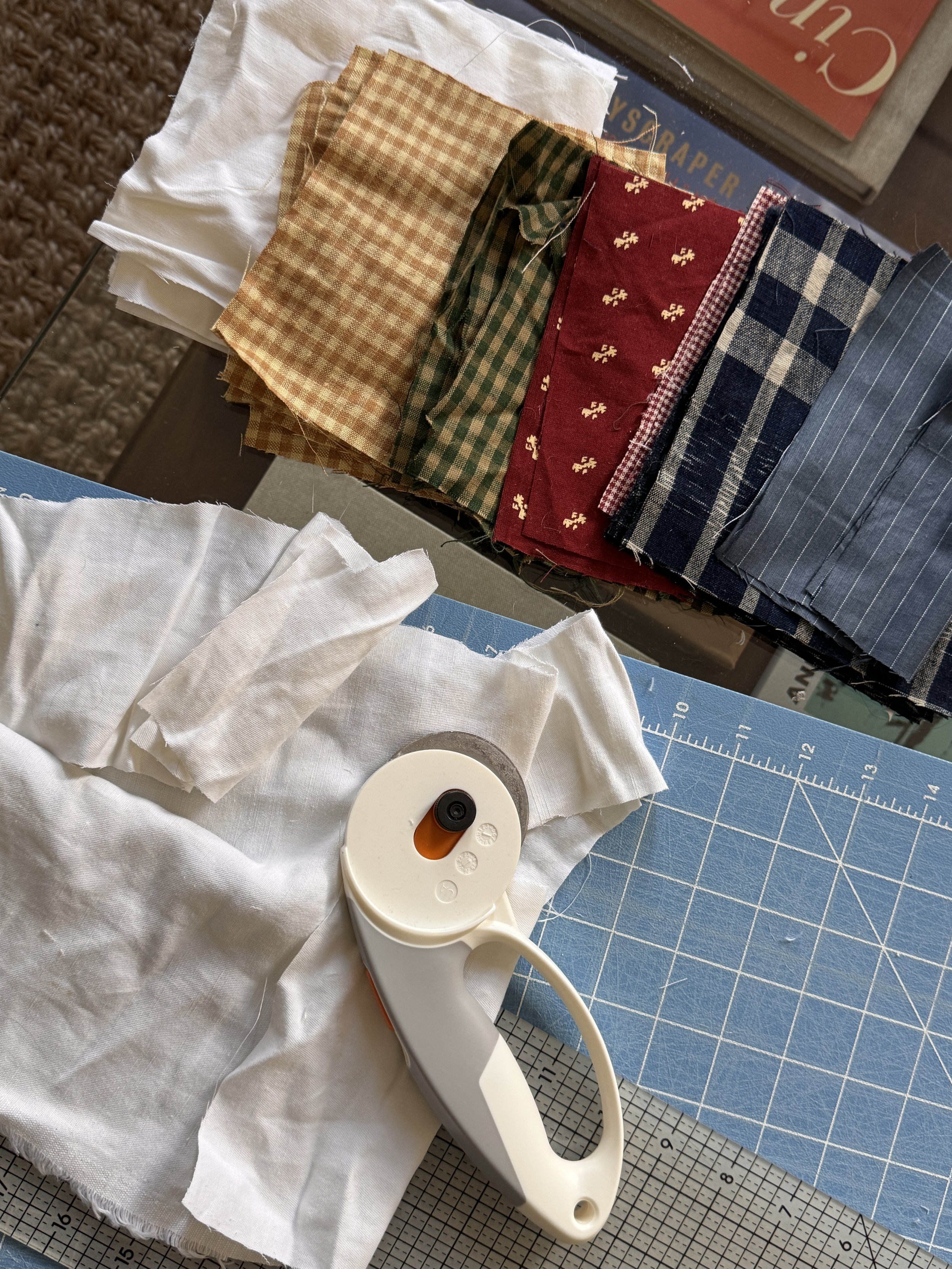
Over the next few months, I would come home and immediately sit down at the table. I cut the fabric carefully, taking my time to lay out the patterns, and spent the rest of the evening sewing. The sound of the machine became steady and repetitive, almost like a metronome. With each piece of fabric, my attention began to soften into something different than what I was used to in clinical settings.
It quickly became a kind of meditation for me. There was something deeply regulating about the rhythm of it. My attention would narrow gently, not forced, and I would slip into a flow state where hours passed without noticing. My body felt more settled in those moments, like it finally had permission to slow down.
After finishing my first quilt, I became more curious about textile work. I wanted to try anything and everything. Shirts, scarves, curtains, tablecloths, really anything I could imagine. I became deeply drawn to collecting fabric to the detriment of the limited storage space. Each new project brought a mix of frustration and grounding. There were moments where nothing lined up correctly, where I had to undo and redo stitches, where I had to sit with not getting it right immediately.
Some projects remained experiments that never fully came together. Others slowly took shape and became finished pieces that I could hold in my hands. When that happened, there was a quiet sense of pride, gratitude, and satisfaction that felt different from intellectual accomplishment. It was something more embodied. I also began making gifts for friends and taking on small projects for other people, which added another layer of meaning to the process.
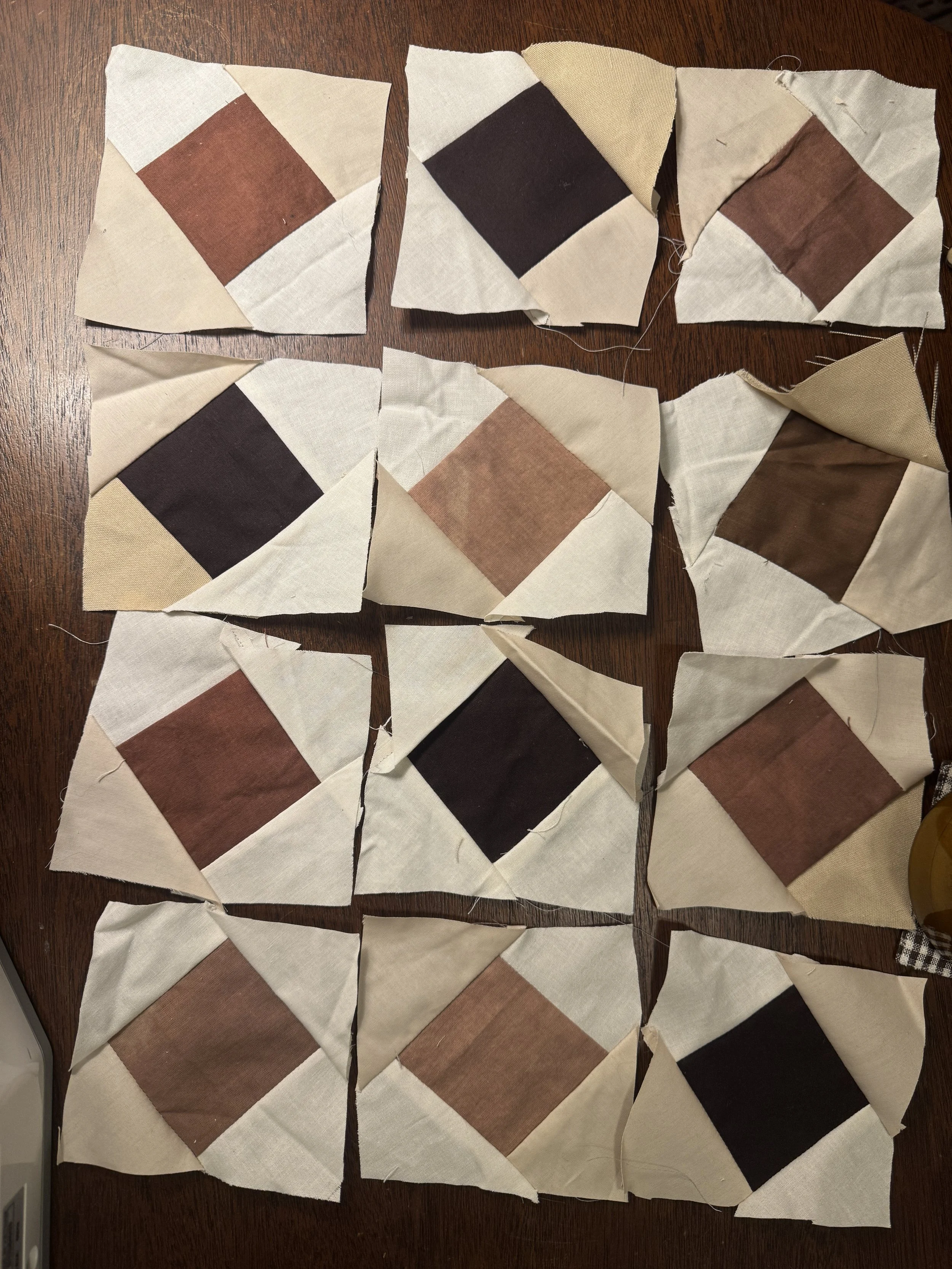
Gradually, I began to understand this practice less as a concept and more as an experience of attention. When I am working with my hands to create something, I am pulled into what is directly in front of me. There is less space for the mind to drift into the past or future because I am engaged with texture, tension, movement, and timing. There is something quietly powerful about slowing down enough to thread a needle and stay with it.
In this way, mindfulness begins to feel less like an idea and more like a lived experience of returning to what is here now. It is the practice of noticing thoughts, emotions, and sensations as they arise, without immediately moving into judgment or reaction.
This mirrors what I now understand through a somatic lens in my work as a therapist. I am often drawn to tactile and art-based interventions with clients, especially in moments where words feel insufficient. My training in trauma therapy places strong emphasis on body regulation and grounding practices, particularly how the nervous system stores and responds to stress. As a result, integrating creative, hands-on work has become a natural extension of my therapeutic practice.
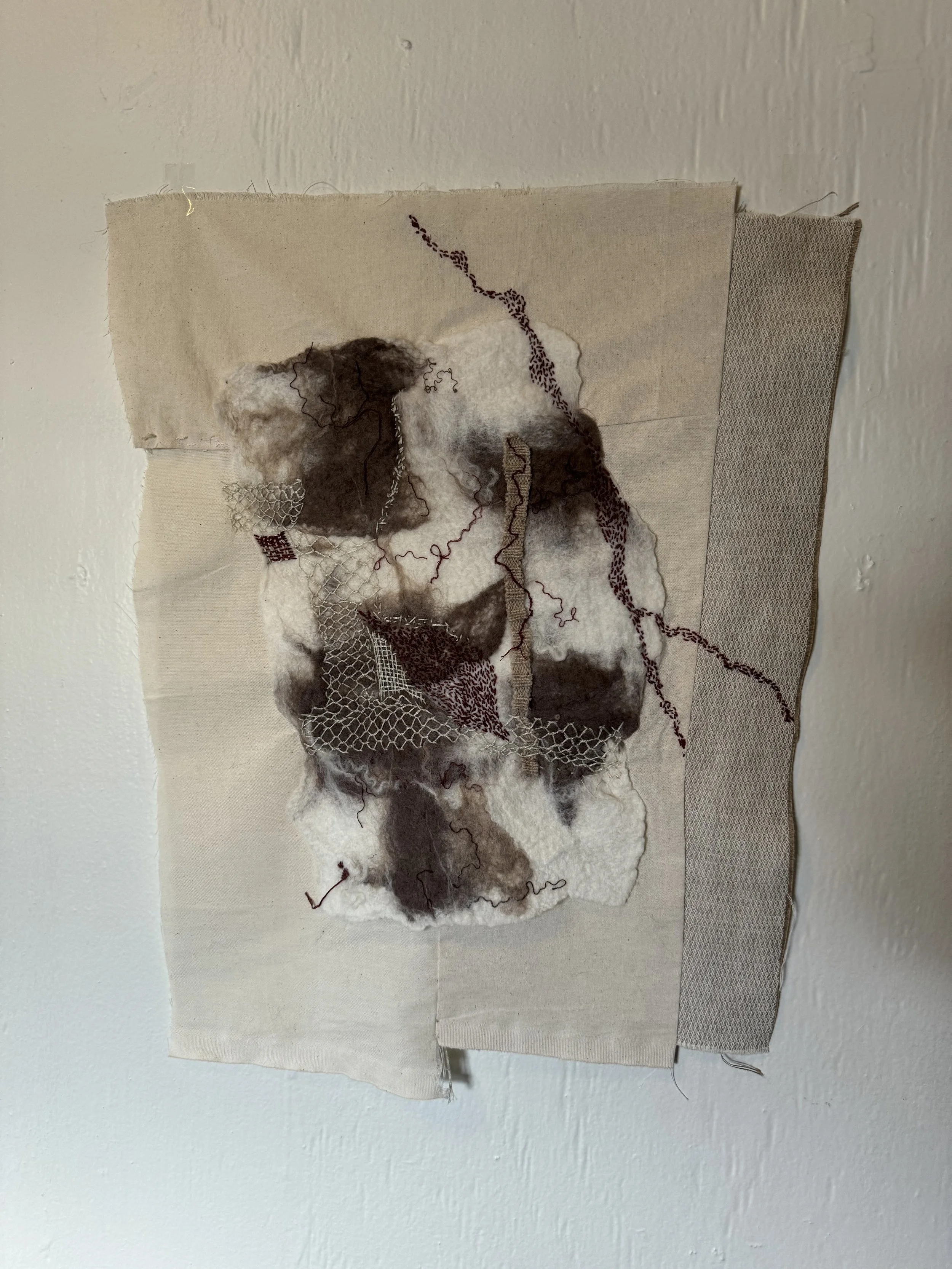
My first fiber art piece
Ultimately, I have found myself returning again and again to creative work, both personally and in my clinical practice as a way of intentionally focusing on being present and grounded in experience rather than explanation. In moments of stress or overwhelm, the simple act of making can become a quiet return to the body and to what is right in front of us.
We are all different, but we are also human, and there is something profoundly connecting about creating something slowly and deliberately in the physical world. It is a practice we return to, often quietly, through our hands and in the present moment.
Do you have forms of making, movement, or quiet attention that you return to? What helps you reconnect with your body in those moments?
