
Letting Go of Anxiety Through Everyday Gratitude
When Anxiety Fixates on What Is Missing
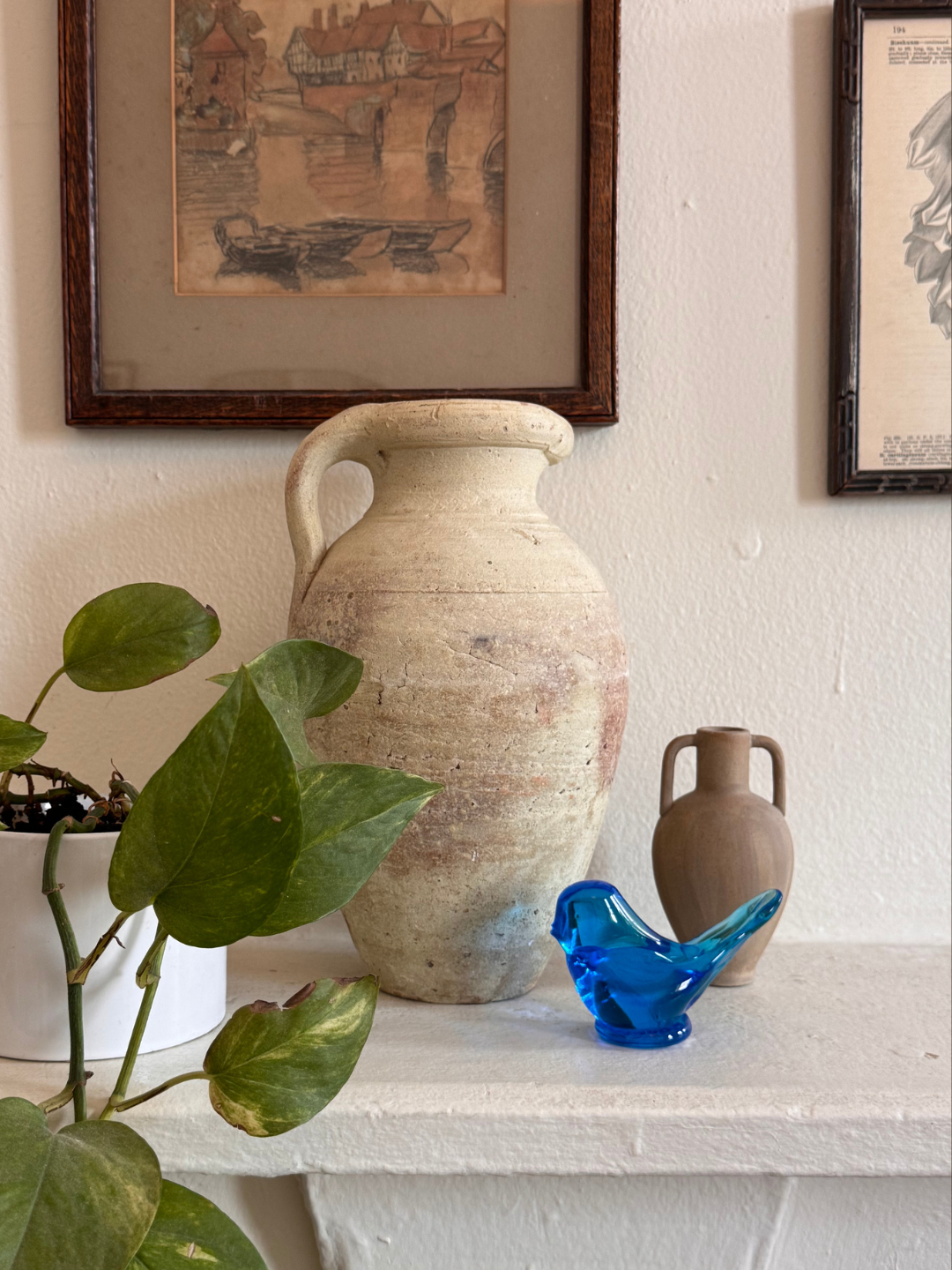
I was recently given a small glass bird that once belonged to my grandmother. It has been passed down through generations as a reminder of the saying “a bird in the hand is worth two in the bush”. The bird embodies the principle that gratitude grows when we value what we already have, rather than overlooking it while waiting for something better to come along.
In my work with clients, I often see how easy it is for people’s minds to drift into anxiety about what is missing instead of noticing what they already have. When anxiety takes hold, the mind begins to scan for what is not yet achieved, not yet gained, or not yet fixed.
It’s easy for comparison, fear of missing out, and a constantly racing mind to pull attention away from the present moment. Even in moments of stability, there can be an internal pressure that something better is always just out of reach.
Anxiety And Comparison
Anxiety often grows quietly through patterns of comparison. When people regularly view curated moments of others’ lives, the mind can begin to interpret those images as evidence of personal lack, which leads to feelings like restlessness, self-doubt, or a constant sense of not being enough.
Even when life is objectively going well, there can be a lingering feeling that you could be doing better, achieving more, or living more fully. This creates a cycle in which attention shifts away from lived experience and focuses on imagined deficits.
Over time, this can contribute to emotional exhaustion. The nervous system stays in a subtle state of alertness, as if something important is always missing or needs to be fixed. This is where gratitude becomes difficult to access, because the mind is trained to look for threat or lack rather than stability or safety.
Understanding this pattern is important because it helps separate reality from perception. Anxiety often tells a story of incompleteness, even when there is plenty of support and value already present.
Grounding in Gratitude
From a therapeutic perspective, anxiety is often rooted in a disconnect from the present moment. One helpful way to navigate this is through grounding. Grounding is the process of bringing attention back to the present moment gently and intentionally. This might include noticing physical sensations, identifying what is currently safe, or acknowledging what is already supportive in one’s life.
When anxiety says nothing is enough, gratitude quietly offers evidence that something is already here and already working.
I often encourage people to notice how anxiety changes when attention shifts from absence to presence. Desire and ambition can still have a place here, while the urgency of fear-based thinking begins to soften. Life does not need to wait for the next achievement to hold meaning or value.
When practiced consistently, this shift can soften the intensity of anxious thinking. It does not remove all discomfort, but it creates space around it so that it no longer defines the entire emotional experience.
Strategies for Calming Anxiety Through Gratitude Practices
Managing anxiety through gratitude involves moving away from forced positive thinking and gently retraining attention from constant comparison toward what is real and present in the moment. A few effective strategies to calm anxiety include:
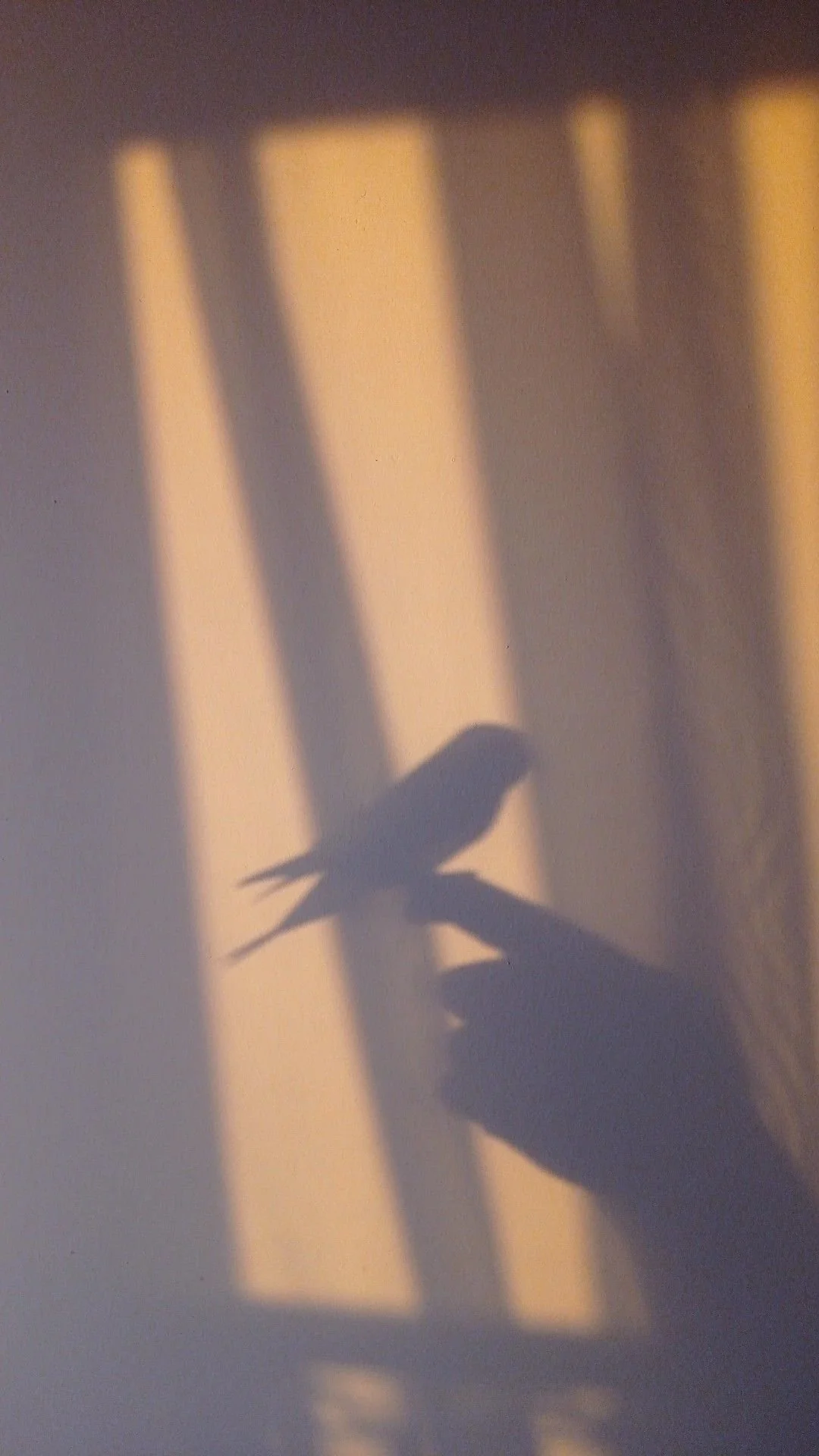
Pausing during moments of anxiety and identifying what is currently stable. This might include relationships that feel supportive, physical needs that are met, or simple aspects of daily life that are often overlooked. Naming these elements helps interrupt the automatic focus on lack.
Reducing exposure to comparison triggers. When the mind is repeatedly exposed to idealized versions of other people's lives, anxiety tends to increase. Creating intentional breaks from these inputs can support emotional regulation and reduce unnecessary pressure.
Writing and reflecting on moments in the day that felt even slightly steady or meaningful helps train the mind to notice safety and support. Over time, this can shift the baseline of attention away from fear and toward balance.
Conclusion: Learning to Hold What Is Already Here
You might consider finding your own representation of the bird, something small and meaningful that you can return to when your mind starts to spiral into anxiety or stress. It could be an object, a phrase, or a simple reminder that helps bring you back to what is already present in your life.
Let it be a quiet anchor that gently guides you back to gratitude, again and again. In the end, finding gratitude in everyday life is also a way of softening anxiety and returning to what is already here.
